We provide customers with high-quality equipment and OEM / ODM

A Comprehensive Guide to Overhead Magnetic Separators: Revolutionizing Industrial Material Handling
A Deep Dive into Overhead Magnetic Separators for Industrial Use Table of Contents Introduction to Overhead Magnetic Separators Understanding Magnetic Separators Types of Overhead Magnetic Separators Applications in Various Industries Advantages of Using Overhead Magnetic Separators Installation and Maintenance Best Practices Choosing the Right Overhead Magnetic Separa
Apr 12,2026

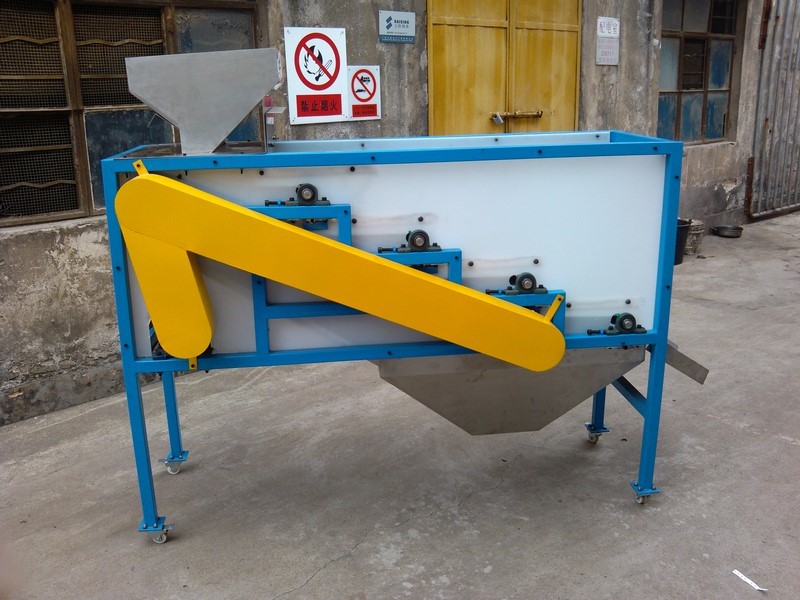
A Deep Dive into Overhead Magnetic Separators for Industrial Use
Table of Contents
- Introduction to Overhead Magnetic Separators
- Understanding Magnetic Separators
- Types of Overhead Magnetic Separators
- Applications in Various Industries
- Advantages of Using Overhead Magnetic Separators
- Installation and Maintenance Best Practices
- Choosing the Right Overhead Magnetic Separator
- Future Trends in Magnetic Separation Technology
- Frequently Asked Questions
- Conclusion
Introduction to Overhead Magnetic Separators
Overhead magnetic separators play a pivotal role in the manufacturing and recycling sectors. Their primary function is to remove ferrous metals from non-ferrous materials, ensuring cleaner and safer operation. In today's industrial landscape, where efficiency and safety are paramount, understanding these machines is crucial for any operation dealing with material handling.
Understanding Magnetic Separators
Magnetic separators utilize powerful magnets to attract and remove metallic contaminants from materials. These devices function based on the principle of magnetism, where ferrous particles are separated from non-magnetic materials. They are essential for maintaining product purity, protecting equipment, and enhancing operational efficiency.
The Science Behind Magnetic Separation
The science of magnetic separation involves the use of magnetic fields. When a mixture containing ferrous and non-ferrous materials passes through the magnetic field, the ferrous materials are attracted to the magnet, while non-ferrous materials continue to move freely. This principle ensures effective separation and minimizes contamination.
Types of Overhead Magnetic Separators
When selecting an overhead magnetic separator, it’s essential to understand the different types available. Each type has unique features suited for specific applications.
1. Electromagnetic Overhead Magnetic Separators
Electromagnetic separators are powered by electricity and can generate a strong magnetic field. These separators can be turned on and off, making them versatile for various applications.
2. Permanent Overhead Magnetic Separators
Permanent magnets offer a constant magnetic field without the need for electric power. They are energy-efficient and low-maintenance, making them ideal for continuous operations.
3. Self-Cleaning Magnetic Separators
Self-cleaning separators automatically remove collected ferrous materials from the magnetic surface, minimizing downtime and manual labor. They are particularly beneficial in high-volume operations.
Applications in Various Industries
Overhead magnetic separators are employed across various industries, each with specific applications tailored to enhance efficiency and safety.
1. Recycling Industry
In the recycling sector, overhead magnetic separators are crucial for separating ferrous scrap from non-ferrous materials. This separation enhances the quality of recycled products and maximizes recovery rates.
2. Mining and Minerals
In mining operations, these separators help to remove metal contaminants from ores, ensuring cleaner processing and reducing wear on processing equipment.
3. Food Processing
Ensuring food safety is paramount in the food industry. Magnetic separators remove metal contaminants during production, safeguarding both equipment and consumer health.
Advantages of Using Overhead Magnetic Separators
The incorporation of overhead magnetic separators offers numerous benefits that enhance operational efficiency.
1. Enhanced Product Quality
By removing ferrous contaminants, these separators improve the purity of end products, leading to higher customer satisfaction.
2. Equipment Protection
Magnetic separators protect machinery from damage caused by metal contaminants, reducing repair costs and downtime.
3. Increased Safety
By minimizing the risk of ferrous metal-related accidents, overhead magnetic separators contribute to a safer working environment.
Installation and Maintenance Best Practices
Proper installation and maintenance are crucial for maximizing the efficiency and lifespan of overhead magnetic separators.
1. Installation Guidelines
Ensure alignment with the processing line, considering the height and angle for optimal material flow. Follow manufacturer guidelines for electrical connections and safety protocols.
2. Regular Maintenance
Routine inspections and cleaning are essential for maintaining performance. Check for wear on the magnetic surface and ensure that the electrical components are functioning correctly.
Choosing the Right Overhead Magnetic Separator
Selecting the appropriate overhead magnetic separator requires careful consideration of several factors.
1. Material Characteristics
Analyze the types of materials you will be processing. The size, weight, and composition of materials play a significant role in determining the best separator.
2. Application Needs
Identify the specific needs of your operation. For instance, high-volume processes may benefit from self-cleaning separators, while smaller operations may find permanent magnets sufficient.
3. Budget Constraints
Consider the initial investment and ongoing operating costs. Balance quality and performance with your budget to ensure a sustainable choice.
Future Trends in Magnetic Separation Technology
The field of magnetic separation is continuously evolving, with new technologies and innovations emerging.
1. Advanced Magnetic Materials
Research into new magnetic materials may lead to more efficient separators that require less energy and offer greater strength.
2. Automation and Connectivity
Integration with Industry 4.0 technologies can enhance automation and data collection, allowing for real-time monitoring and improved decision-making.
3. Sustainable Practices
As industries strive for sustainability, magnetic separators are being designed with energy efficiency and minimal environmental impact in mind.
Frequently Asked Questions
1. What is the primary function of an overhead magnetic separator?
The main function is to remove ferrous metal contaminants from non-ferrous materials during processing.
2. How do I know which type of magnetic separator is best for my application?
Consider the material characteristics, application needs, and budget constraints when selecting a separator.
3. What are the maintenance requirements for overhead magnetic separators?
Regular inspections, cleaning, and checking for wear on components are essential for maintaining optimal performance.
4. Can overhead magnetic separators be used in food processing?
Yes, they are widely used in the food industry to ensure product safety by removing metal contaminants.
5. What advancements are being made in magnetic separation technology?
Research is focusing on advanced magnetic materials, automation, and sustainable practices to enhance efficiency and reduce environmental impact.
Conclusion
Overhead magnetic separators are vital components in modern industrial operations, providing numerous benefits from enhanced product quality to improved safety. Understanding their functionality, types, applications, and future trends can empower industries to make informed decisions. As technology continues to advance, these machines will play an increasingly important role in optimizing material handling processes across various sectors, reinforcing their value as indispensable tools in the manufacturing and recycling landscapes.
Contact Us
E-mail:
Fsylcd@fsylcd.com
WhatsApp:
601112483448
Address:
No. 11, Shanqian Road, Dafengtian, Wuzhuang, Luocun, Shishan Town, Nanhai District, Foshan City, Guangdong Province

No. 11, Shanqian Road, Dafengtian, Wuzhuang, Luocun, Shishan Town, Nanhai District, Foshan City, Guangdong Province
REQUEST QUOTE
SAF Coolest v1.3.1.2 设置面板 GAGSD-AGYF-JSSZE-AZX
https://dc.thefastmake.com/index.html?configure=--enable-dom-interceptor