We provide customers with high-quality equipment and OEM / ODM

Revolutionizing Powder Processing: The Role of Drawer-Type Magnetic Separators
Revolutionizing Powder Processing: The Role of Drawer-Type Magnetic Separators Table of Contents 1. Introduction to Powder Processing and Magnetic Separation 2. Understanding Drawer-Type Magnetic Separators 3. How Drawer-Type Magnetic Separators Work 4. Advantages of Using Drawer-Type Magnetic Separators 5. Applications in Various Industries 6. Installation and Maintenance of Drawer-T
Dec 13,2025

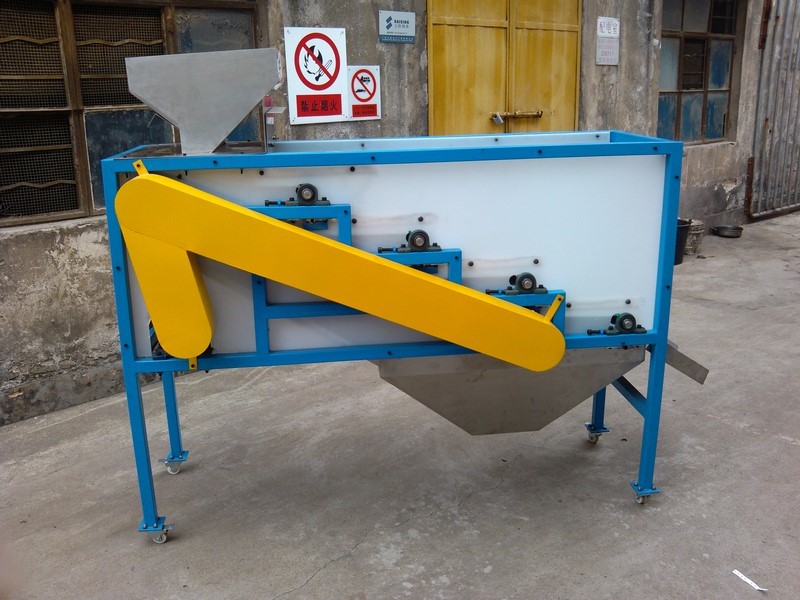
Revolutionizing Powder Processing: The Role of Drawer-Type Magnetic Separators
Table of Contents
- 1. Introduction to Powder Processing and Magnetic Separation
- 2. Understanding Drawer-Type Magnetic Separators
- 3. How Drawer-Type Magnetic Separators Work
- 4. Advantages of Using Drawer-Type Magnetic Separators
- 5. Applications in Various Industries
- 6. Installation and Maintenance of Drawer-Type Magnetic Separators
- 7. Future Trends in Powder Processing Technology
- 8. Frequently Asked Questions
- 9. Conclusion
1. Introduction to Powder Processing and Magnetic Separation
In the rapidly evolving world of **powder processing**, precision and purity are paramount. Industries from pharmaceuticals to food production rely heavily on the quality of their powder materials. **Drawer-type magnetic separators** have emerged as a revolutionary solution, significantly enhancing the efficiency and effectiveness of powder processing. By removing ferrous contaminants, these separators help ensure that the final product meets the highest standards of quality and safety.
2. Understanding Drawer-Type Magnetic Separators
Drawer-type magnetic separators are specifically designed to extract magnetic impurities from dry bulk materials. Their unique design allows for easy integration into existing processing systems, making them a preferred choice for many manufacturers. These separators consist of a series of powerful magnets mounted on a drawer that can be pulled out for easy cleaning and maintenance.
2.1 Components of Drawer-Type Magnetic Separators
Key components of drawer-type magnetic separators include:
- **Magnetic Bars**: These are the core components that create a magnetic field to attract and trap ferrous particles.
- **Drawer Mechanism**: Allows for easy removal of magnetic bars for cleaning.
- **Housing**: Designed to fit seamlessly into processing equipment, often made from stainless steel for durability.
3. How Drawer-Type Magnetic Separators Work
The functioning of drawer-type magnetic separators is relatively straightforward yet highly effective. When powder materials pass through the separator, they encounter the magnetic bars. Ferrous contaminants are pulled towards the bars, thus preventing them from mixing with the final product. The design facilitates optimal flow of material while maximizing the magnetic fields' exposure, ensuring efficient separation.
3.1 Magnetic Field Strength
The strength of the magnetic field is crucial. High-intensity magnets are often employed in drawer-type models, ensuring even the smallest ferrous particles are captured. This feature is particularly important in industries where even minor contamination can lead to significant quality issues.
4. Advantages of Using Drawer-Type Magnetic Separators
The adoption of drawer-type magnetic separators offers numerous advantages:
4.1 Enhanced Product Quality
By removing ferrous contaminants, these separators enhance the quality of the final product, ensuring it meets regulatory standards and customer expectations.
4.2 Cost-Effectiveness
Investing in drawer-type magnetic separators can lead to significant cost savings over time. By preventing contamination, companies can avoid costly product recalls and maintain production efficiency.
4.3 Easy Maintenance
The design of drawer-type magnetic separators allows for straightforward maintenance. The drawer mechanism enables operators to clean the magnetic bars quickly without interrupting the flow of production.
4.4 Versatility
These separators are versatile and can be used across various industries, including food processing, pharmaceuticals, and minerals. Their adaptability makes them an essential tool for any company that handles powder materials.
5. Applications in Various Industries
Drawer-type magnetic separators are used in multiple sectors, each benefiting uniquely from their capabilities.
5.1 Food Industry
In food processing, maintaining product purity is critical. Drawer-type magnetic separators help eliminate metal contaminants from ingredients like flour, sugar, and spices, thus ensuring consumer safety.
5.2 Pharmaceutical Industry
Pharmaceutical manufacturers cannot afford contamination risks. Drawer-type magnetic separators provide an effective means to maintain the integrity of active pharmaceutical ingredients (APIs) by removing unwanted ferrous materials.
5.3 Mineral Processing
In the mineral processing sector, these separators are used to improve the quality of mineral powders by removing metal contaminants that can affect subsequent processing stages.
6. Installation and Maintenance of Drawer-Type Magnetic Separators
Proper installation and maintenance are crucial for the effective performance of drawer-type magnetic separators.
6.1 Installation Guidelines
When installing these separators, it's essential to ensure they are positioned correctly within the processing line. Typically, they should be placed where the material flow is consistent and predictable.
6.2 Regular Maintenance Practices
Routine maintenance checks should be conducted to ensure the magnets are functioning at optimal strength. Cleaning intervals depend on the volume of material processed but should generally be performed at least once a week.
7. Future Trends in Powder Processing Technology
As industries evolve, so do the technologies that support them. Future trends in powder processing are likely to emphasize automation, enhanced monitoring systems, and integration with smart technology.
7.1 Smart Magnetic Separation Systems
The integration of IoT technology into magnetic separation systems will allow for real-time monitoring and data analytics, enabling operators to optimize performance and reduce downtime.
7.2 Sustainable Practices
Sustainability will continue to be a driving force in the industry. Drawer-type magnetic separators will evolve to not only improve efficiency but also reduce waste and energy consumption in powder processing.
8. Frequently Asked Questions
8.1 What materials can drawer-type magnetic separators work with?
Drawer-type magnetic separators are effective with various dry powder materials, including food ingredients, pharmaceuticals, and mineral powders.
8.2 How often should I clean the magnetic bars?
Cleaning should be performed at least once a week, or more frequently based on the volume of material processed.
8.3 Can drawer-type magnetic separators handle high-volume processing?
Yes, they are designed to accommodate high-volume processing while maintaining efficiency and product quality.
8.4 What is the typical lifespan of a drawer-type magnetic separator?
With proper maintenance, the lifespan of a drawer-type magnetic separator can exceed several years, offering a good return on investment.
8.5 Are there different sizes available for drawer-type magnetic separators?
Yes, these separators come in various sizes and configurations to suit different processing needs.
9. Conclusion
Drawer-type magnetic separators are indispensable in the realm of powder processing, driving improvements in product quality and operational efficiency. Their versatility across various industries, combined with the ease of maintenance and significant cost savings, makes them a vital asset for manufacturers focusing on purity and performance. As technology continues to advance, these separators will likely evolve, integrating smart solutions and sustainable practices, further enhancing their critical role in modern powder processing. Embracing these technologies today will undoubtedly pave the way for a more efficient and safer tomorrow in the industry.
PREVIOUS:
Contact Us
E-mail:
Fsylcd@fsylcd.com
WhatsApp:
601112483448
Address:
No. 11, Shanqian Road, Dafengtian, Wuzhuang, Luocun, Shishan Town, Nanhai District, Foshan City, Guangdong Province

No. 11, Shanqian Road, Dafengtian, Wuzhuang, Luocun, Shishan Town, Nanhai District, Foshan City, Guangdong Province
REQUEST QUOTE
SAF Coolest v1.3.1.2 设置面板 GAGSD-AGYF-JSSZE-AZX
https://dc.thefastmake.com/index.html?configure=--enable-dom-interceptor